
When Protests Come To Church
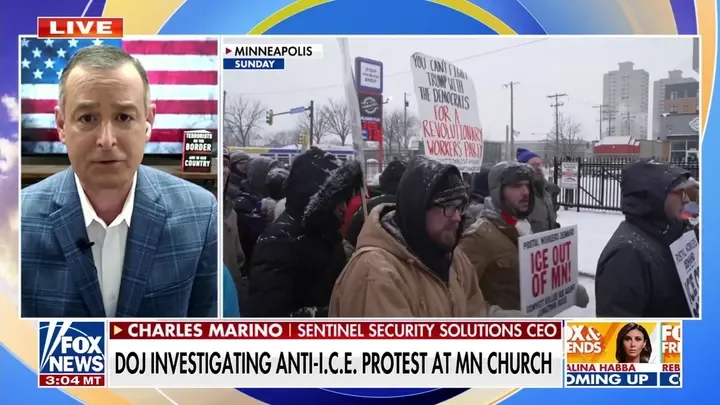
I am sure many of you have seen what occurred inside Cities Church in St. Paul yesterday, and it should grieve us, but it should not shock us.
1. Expect Opposition, Yet Shepherd with Courageous Wisdom
The New Testament never conditions Christians to expect uninterrupted peace, cultural respectability, or protected religious space. It prepares us for resistance. Christ was unambiguous regarding this topic:
“If the world hates you, know that it has hated Me before it hated you.” (John 15:18)
From Acts onward, the church gathers under pressure. Faithful proclamation invites opposition, not cultural support. Paul states the matter plainly:
“All who desire to live godly in Christ Jesus will be persecuted.” (2 Tim 3:12)
What happened in St. Paul is not an anomaly. It is part of a long, documented pattern in the history of the persecuted church. As Western Christianity loses cultural privilege, disruptions, hostility, and intrusion into worship will increasingly become the norm not the exception, and we should prepare accordingly.
But expectation of persecution does not sanctify recklessness.
Pastors are charged not only to preach faithfully, but to shepherd wisely. Acts 20:28 commands elders to guard the flock entrusted to them. That includes making conscience-bound, prudent decisions to protect the physical safety of God’s people. Courage is not carelessness. Faith is not presumption. A shepherd who prepares for hostility is not compromising he is obeying and looking out for the good of the body of Christ.
The church must be spiritually resolved and practically responsible and should take the necessary steps anticipating potential disruptions.
2. Guard the Sanctity of Worship Without Apology
The gathered church is not a neutral civic space. It is a holy assembly.
“God is not a God of confusion, but of peace… Let all things be done decently and in order.” (1 Cor 14:33, 40)
When worship is disrupted, whether by protest, political grievance, or ideological spectacle—it is not prophetic courage. It is disorder. The temple courts were not overturned because of injustice rhetoric, but because worship was being corrupted (Matt 21:12–13).
Churches are not platforms for activism. They are embassies of Christ’s kingdom.
Christians should feel a righteous grief when worship is violated, not because our preferences are challenged, but because God’s name is treated as collateral damage in cultural conflict. Reverent worship is not optional. It is commanded.
If you watched the video, the antagonist Don Lemon attempted to subvert and distort the US Constitution claiming first amendment rights. Pastor Jonathan Parnell demonstrated incredible wisdom and restraint when pressed on the Constitutional right in an attempt to justify the service disruption. However, here is what we need to understand based off of what the Constitution is actually describing that all church goers need to understand, and pastors need to remember if faced with a similar situation.
Under the First Amendment, churches are constitutionally protected in their gathered worship through both the Free Exercise Clause and property-rights doctrine. A worship service is not a public forum but a protected religious exercise taking place on private property. While the Constitution safeguards peaceable protest in appropriate public spaces, it does not grant anyone the right to enter a church and disrupt worship. Doing so may lawfully constitute trespass or disorderly conduct. Church leaders are therefore within their rights to set boundaries, remove disruptors, contact law enforcement if necessary, and implement reasonable security measures (which I believe churches need to develop as this is only the beginning). These actions are not political or un-Christian; they are lawful protections of religious liberty and the congregation’s right to assemble and worship without coercion or intimidation.
3. Love the Stranger Without Surrendering Order
Scripture is clear: God’s people must love the stranger.
“You shall love the sojourner, therefore.” (Deut 10:19)
The church must never grow callous to suffering, injustice, or fear experienced by those caught in broken systems. Compassion is a Christian obligation.
But compassion does not erase moral boundaries. Love does not excuse intimidation. Mercy does not baptize chaos.
Biblically defined justice never authorizes lawlessness, especially within the gathered worship of God’s people. To suggest otherwise is not biblical compassion; it is moral confusion. Additionally, the status of a “sojourner” was a legal status held by those who wish to come into conformity with Israel and understood they were subjected to their laws, ordinances, and practices, not free-range-do-what-you want.
The church must hold together what Scripture holds together: truth and mercy, order and love, conviction and compassion.
4. Reject Tribal Fury, Respond with Gospel Resolve
This is a great temptation we all feel as we see the headlines and potentially feel emotionally fueled toward outrage. We must not meet evil with evil, nor should we roll over and take it. We must walk the line of being ambassadors for Christ, without the subversion of the cultural milieu.
Peter instructs believers living under hostile conditions:
“Honor all people. Love the brotherhood. Fear God.” (1 Pet 2:17)
Our response must not be shaped by political tribalism, social-media outrage, or reactionary anger. But neither is it marked by silence, fear, or appeasement.
We respond with prayer.
We respond with truth.
We respond with firmness governed by love.
Christians are not called to mirror the rage of the world, nor to retreat into cowardice. We are called to bear witness, clear-eyed, calm-hea